Social Interaction: Boosting Sleep in Assisted Living in West Union, IA
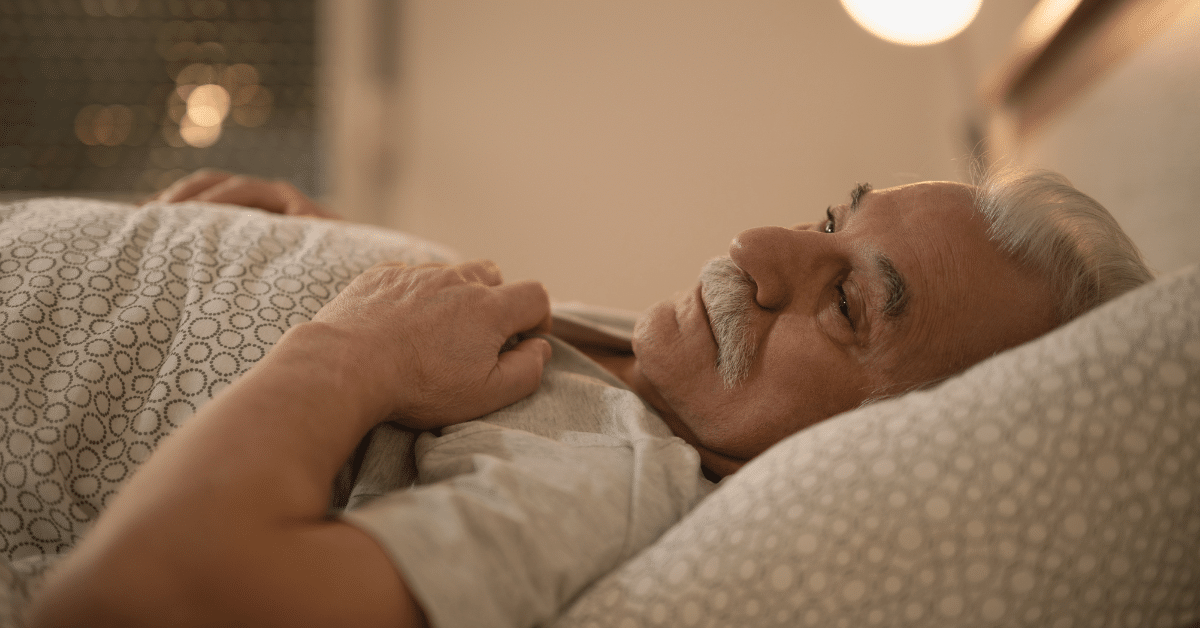
Sleep quality deserves serious consideration when you’re looking for the best assisted living facility for seniors in West Union, IA. Nearly half of older adults face regular sleep problems that affect their daily life and health. Yet there’s an effective solution many families don’t consider: social interaction. Seniors with strong social connections sleep better and maintain better health. This matters especially for residents in assisted living in Iowa, where communities recognize that loneliness goes beyond emotional distress—it’s become a serious public health concern. Poor sleep quality in older adults leads to significant physical and mental health problems, including declining cognitive function and higher dementia risk.
When seniors participate in regular social activities, they feel less lonely and depressed while gaining a brighter perspective on life—changes that directly support better, more restorative sleep.
Why Sleep Quality Declines with Age
Sleep changes happen naturally as we age, but understanding these shifts helps you find better solutions at a comfortable assisted living community. Knowing why sleep problems occur makes a real difference when searching for quality care in Iowa.
Natural changes in sleep with age
Your sleep patterns shift in predictable ways after age 60. Many seniors find that their total sleep time decreases while they spend more time in lighter sleep stages and get less deep, restorative sleep. The body’s internal clock also moves forward with age, causing earlier bedtimes and earlier morning wake-ups. Staying asleep throughout the night becomes more challenging for older adults. Aging naturally leads to more fragmented sleep with frequent nighttime awakenings. These interruptions affect more than just your mood—they can seriously impact your health and daily activities.
Common sleep disorders among seniors
Specific sleep disorders become more frequent with age:
- Insomnia: Nearly half of adults over 60 deal with this most common sleep problem. It makes falling asleep or staying asleep difficult at least three nights each week.
- Sleep apnea: Breathing pauses during sleep affect roughly 20-60% of people over 65. This disorder disrupts sleep and raises cardiovascular risks.
- Restless legs syndrome (RLS): More than 20% of people over 80 experience uncomfortable leg sensations and an irresistible urge to move.
- Periodic limb movements: About 40% of older adults have involuntary leg jerking or kicking every 20-40 seconds during sleep.


How Social Interaction Improves Sleep
Social interaction goes beyond pleasant conversation—it actively improves sleep quality for seniors. For residents at senior living communities, social engagement creates multiple pathways to better rest that extend well beyond simply filling daylight hours.
Reduces stress and anxiety
Strong social relationships directly influence how well you sleep each night. Supportive relationships positively affect sleep quality, whereas negative or limited social connections often lead to sleep problems. Your body naturally produces fewer stress hormones when you feel socially supported. Think of social connections as a protective shield against nighttime worries that keep many seniors tossing and turning.
Regulates circadian rhythm
For seniors in assisted living, structured social activities throughout the day help maintain healthy sleep-wake cycles. Your internal clock responds to social connections by promoting:
- Better melatonin production for timely sleep
- Higher serotonin levels for mood regulation
- Balanced cortisol levels throughout the day
Boosts mood and emotional well-being
Depression plays a significant role in connecting relationship quality with sleep quality. Put simply, positive social interactions improve sleep by first lifting your mental health. Social engagement triggers your body to release endorphins similar to those produced during exercise, creating natural mood elevation. People who feel more connected experience measurably lower levels of anxiety and depression—both major sleep disruptors.
Encourages physical activity
Social engagement naturally increases daily movement. Combining low-intensity physical activity with social interaction increases deep sleep and improves cognitive function. This combination creates benefits that surpass either factor alone. Physical activity influences sleep through energy conservation, body temperature regulation and anxiety reduction.
Prioritizing Well-Being
Sleep quality affects every aspect of life for seniors, especially those considering assisted living communities. Social interaction emerges as a surprisingly effective solution to sleep challenges that many families don’t fully consider when making care decisions. Your search for quality senior care benefits greatly when you search for communities that recognize this important connection. Looking for an assisted living that prioritizes your well-being? Contact us at (563) 422-9200 to learn more about Copper Creek.
FAQs
Q1. How does social interaction affect sleep quality in seniors?
Social interaction has a positive impact on sleep quality for seniors. It helps reduce stress and anxiety, regulates circadian rhythms, boosts mood and encourages physical activity. These factors contribute to better sleep patterns and overall well-being.
Q2. What are some common sleep issues faced by older adults?
Common sleep issues in older adults include insomnia, sleep apnea and periodic limb movements. Natural changes in sleep patterns with age, such as spending less time in deep sleep stages, can also affect sleep quality.
[/fusion_text][/fusion_builder_column][/fusion_builder_row][/fusion_builder_container]