Dementia Care: Why Safety Matters for Your Family
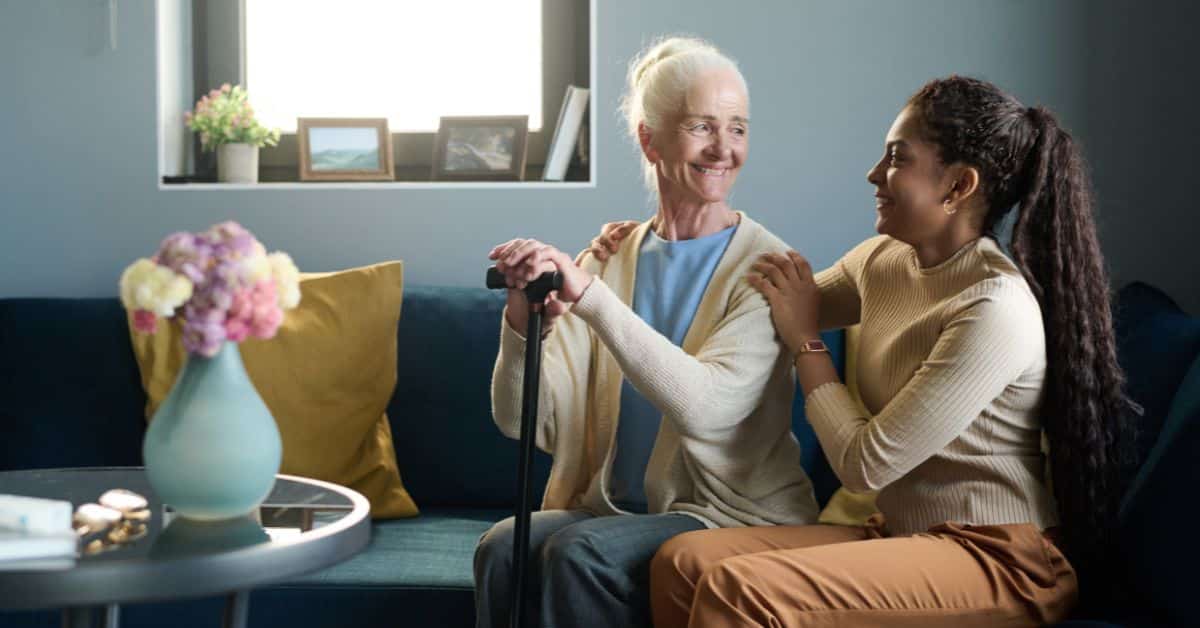
The right memory care community addresses these challenges through thoughtful design and person-centered approaches. Look for dementia care in West Union, IA, that balances protection with dignity—controlled access systems, trained staff and emergency protocols that treat residents as individuals, not risks to manage.
Peace of mind comes from knowing your family member receives respectful memory care in a secure setting. Transparent communication builds trust, while regular updates keep you connected to their daily experience. Quality communities treat families as care partners, not just visitors.
Families exploring memory care options need specific safety measures that protect loved ones while honoring their independence.
What Safety Features Should Families Prioritize?
Access Control and Monitoring Technology
Effective access control prevents wandering while preserving autonomy. Electronic locks, keypads and card readers secure main entrances and sensitive areas like medication rooms. Quality systems include:
- Text and voice alerts when someone leaves their bed
- Location updates as they move through different areas
- Emergency notifications if outside doors open
Modern monitoring includes wireless electronic locks on individual rooms, opened with cards, fobs, wristbands or smartphones. This eliminates security risks from lost keys—credentials can be quickly deactivated and replaced when needed.
Emergency Preparedness
Dementia care requires emergency plans designed for cognitive differences. Verify that communities maintain special needs registries identifying residents who need assistance during emergencies. Equally important: confirm that first responders—law enforcement, EMTs and firefighters—receive specialized dementia training.
Effective emergency readiness includes multiple scenarios. Look for clearly marked evacuation routes, accessible emergency supplies and communication systems that work during power outages. Care partners should know evacuation procedures specific to residents with memory impairments, considering individual cognitive abilities and mobility needs.
Creating Safe, Welcoming Spaces
Physical safety modifications should reduce risks. Fall prevention remains paramount: non-slip flooring, handrails in bathrooms and hallways and removal of tripping hazards like loose rugs. Proper lighting—especially on stairs and in bathrooms—includes motion-activated options that prevent movement in darkness.
Visual cues and environmental design improve both safety and orientation. High-contrast colors between walls and floors help residents distinguish surfaces, reducing confusion that might lead to falls. Clear signage with words and pictures assists with wayfinding, while secure outdoor areas provide safe access to fresh air and nature.

How Does Quality Memory Care Support Ongoing Safety?
Quality memory care goes beyond immediate protection to create lasting safety that becomes part of daily life. The right approach builds security into every interaction, routine and space where residents spend their time.
Consistency in routines and caregivers
Predictable routines provide a safety foundation for people living with dementia. When meals, activities and care happen at expected times, residents feel more secure and experience less confusion. This predictability reduces anxiety that can lead to challenging behaviors or safety risks.
Care partner consistency matters even more. When the same individuals provide care regularly, they learn each resident’s unique patterns, preferences and early warning signs. These relationships take time to develop, but this familiarity allows for early support before small concerns become safety issues.
Memory care practices
Quality memory care communities follow practices centered on treating each person as an individual with their own history, interests and needs rather than focusing solely on their diagnosis. Person-centered care means asking what matters most to each resident and finding ways to honor those preferences while maintaining safety. This might include secure outdoor spaces for someone who loves gardening or familiar music for someone who finds comfort in songs from their past.
Regular assessments help identify each person’s specific safety considerations and adjust care accordingly. Rather than using a one-size-fits-all approach, quality care creates plans that evolve as needs change.
Staff training in memory care
Well-trained care partners make the difference between basic supervision and truly supportive memory care. Effective training focuses on communication techniques that respect dignity, approaches for managing challenging moments and environmental modifications that enhance safety without feeling restrictive.
Quality training programs teach care partners to see the person first, not the diagnosis. This perspective helps staff recognize each resident’s remaining abilities and find ways to support independence within a safe environment.
Finding the Right Care Environment
Safety forms the foundation of quality memory care—protecting your loved one while providing peace of mind for your family. The challenges are real: wandering affects most people living with dementia and nearly all family caregivers report significant emotional strain from safety concerns. Ready to see these principles in action? Call Copper Creek Senior Living at (563) 422-9200 and schedule a tour to see how proper care measures create both security and comfort for people living with memory conditions.
Your involvement remains essential throughout this journey—from researching care options to maintaining ongoing communication with care partners. Safety in memory care protects the whole family, supporting both your loved one’s well-being and your ability to be present as family, not just caregiver.
FAQs
Q1. What are the main safety concerns for individuals with dementia?
The primary safety concerns include wandering and disorientation, increased risk of injuries and illnesses and vulnerability to accidents like falls or medication errors. Wandering, in particular, affects most people with dementia and can have severe consequences.
Q2. How can families ensure a safe environment for someone with dementia?
Families should look for controlled access systems, monitoring technologies like bed sensors and emergency response readiness. Creating a physically safe space with non-slip flooring, proper lighting and clear signage is also crucial. Regular assessments and personalized care plans help address individual safety needs.
Q3. What role does consistency play in dementia care safety?
Consistency in routines and caregivers is vital for long-term safety. Established schedules reduce anxiety and confusion, while familiar caregivers can better recognize subtle changes in behavior or health. This familiarity allows for early intervention and more effective risk management.