How Can Assisted Living Build Connection Via Gratitude?
Something remarkable happens when gratitude becomes part of daily life at assisted living in West Union, IA—residents discover deeper connections that genuinely enrich their experience. Gratitude holds a uniquely powerful relationship with overall happiness and can even improve health. This straightforward yet practical approach creates meaningful connections between residents and staff, while enhancing the quality of life for everyone who calls the community home.
Gratitude practices in assisted living create powerful connections that transform daily experiences and significantly improve residents’ mental and physical well-being.
When people express gratitude regularly, stress levels decrease, blood pressure drops, sleep quality improves, mood lifts and the immune system functions more effectively. The positive effects extend further—gratitude can improve relationships, support memory function and help alleviate anxiety. The culture and community within assisted living settings provide an ideal environment to practice gratitude every day, transforming everyday moments into opportunities for genuine connection and heartfelt appreciation.
Which Programs in Assisted Living Help Seniors Build Relationships and Avoid Loneliness?
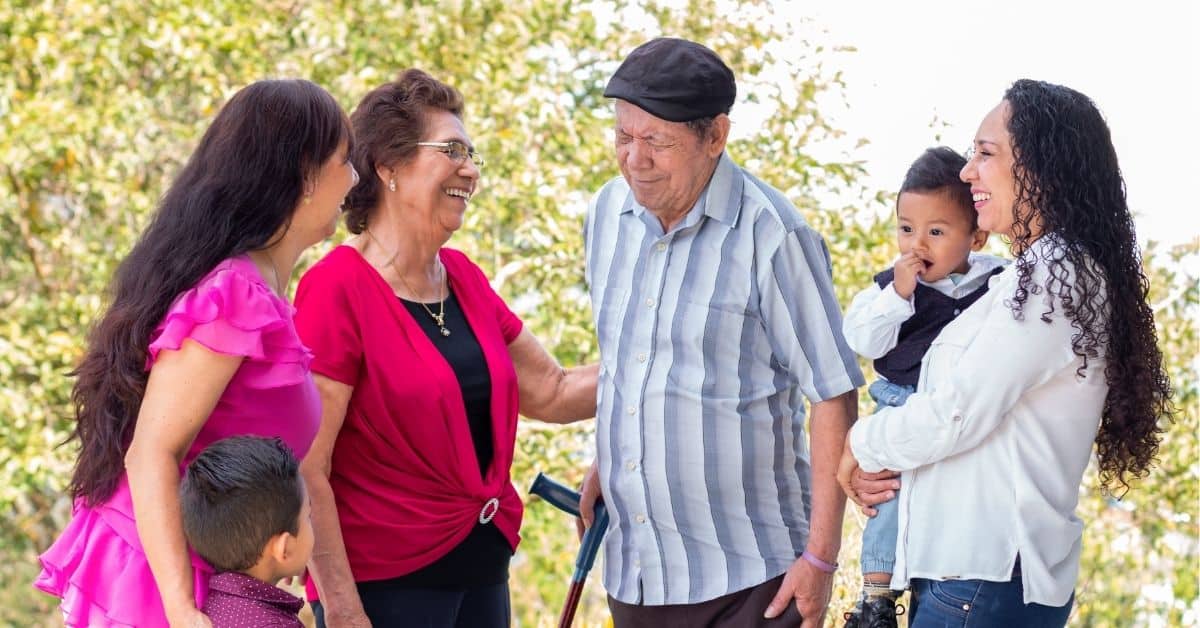
The most successful assisted living communities understand that structured activities fostering gratitude create meaningful social bonds. At Copper Creek Senior Living, several programs help residents connect through shared appreciation.
Group gratitude circles
Group gratitude circles offer powerful spaces where seniors gather regularly to share what they’re thankful for, building a supportive network that naturally reduces isolation. These structured sessions encourage residents to express appreciation while fostering deeper connections with peers.
Creative arts and music therapy
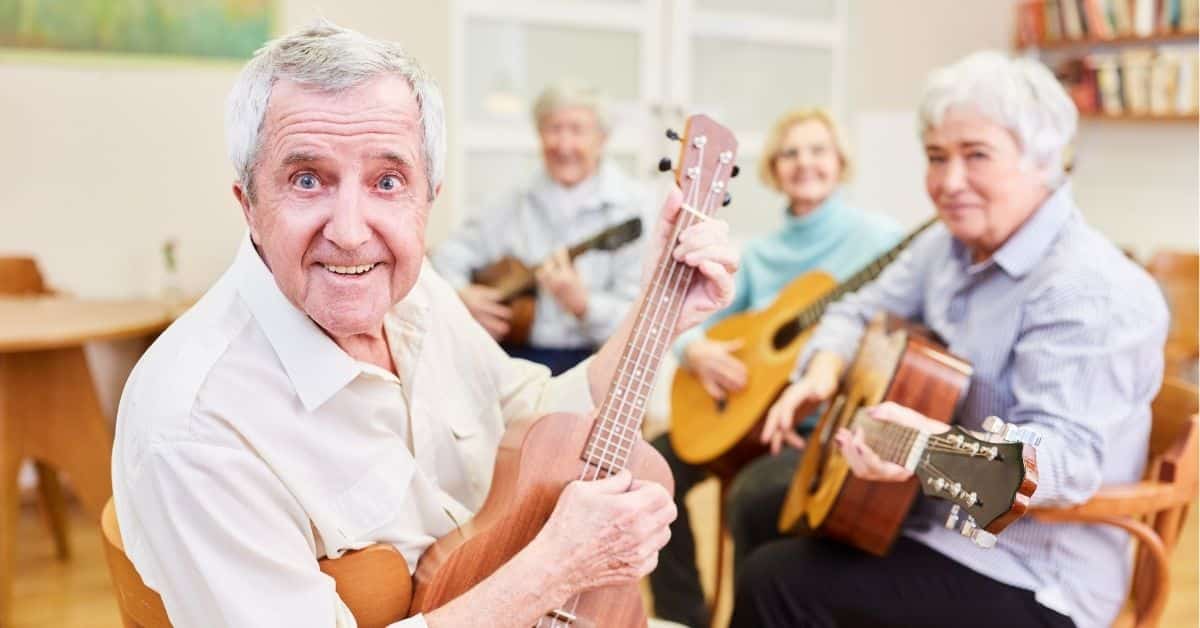
Creative expression opens another pathway for connection through gratitude. Art therapy provides seniors with opportunities to express emotions through nonverbal means, fostering connections with peers who share similar interests. Music therapy sessions—whether in individual or group formats—improve emotional well-being while promoting social interaction.
Volunteer and mentorship opportunities
Giving back creates a sense of purpose while fostering gratitude. Volunteer programs allow residents to contribute meaningfully by organizing events or assisting peers. Mentorship programs connect residents with students and younger community members, creating intergenerational bonds that benefit both parties. These opportunities empower seniors by enhancing self-esteem and expanding social networks.
Assisted living culture and community events
Community events foster an atmosphere of appreciation that extends beyond formal programs. Themed social gatherings based on holidays and cultural celebrations bring residents together in festive settings. These events offer residents the opportunity to bond over shared experiences and practice gratitude collectively.
Why is a Culture of Gratitude so Crucial for Senior Well-being?
Seniors in living communities discover that gratitude becomes much more than a pleasant sentiment—it emerges as an essential tool for navigating life’s transitions with greater ease and grace.
Practicing gratitude leads to measurable changes in the brain and body, which are particularly beneficial during the aging process.
Reducing loneliness through appreciation
While loneliness poses significant challenges to seniors’ well-being, gratitude offers a solution. The practice of expressing gratitude strengthens social connections through:
- Building empathy and mutual appreciation
- Creating robust support networks that fight isolation
- Inspiring reciprocal kindness and generous acts
Can gratitude really improve memory and mood?
Practicing gratitude could reduce symptoms of depression and anxiety by 7.76% and 6.89% respectively (Diniz, G. et al, 2023). For seniors, this emotional improvement also extends to cognitive function. There are strong connections between gratitude and improved memory retention—grateful people tend to recall past experiences more positively. This occurs because gratitude activates brain regions essential for emotional processing and memory formation.
Is gratitude linked to better physical health?
The connection is stronger than many people realize. Seniors with high gratitude scores have a lower risk of mortality over a four-year period compared to those with low scores. Grateful seniors often experience better sleep, reduced inflammation, improved cardiovascular health and lower blood pressure.
Feel Grateful
Gratitude emerges as something far more potent than a simple practice within assisted living communities—it becomes a genuine pathway to connection for seniors facing life’s transitions. When residents adopt daily gratitude habits, they experience improved emotional resilience, reduced loneliness and enhanced cognitive function. This heartfelt approach creates ripples throughout the community, turning everyday moments into opportunities for meaningful connection.
Structured programs such as gratitude circles, creative arts therapy or volunteer opportunities give residents purpose, allowing them to express appreciation while actively fostering authentic relationships. These activities help shift perspective from limitations to possibilities, allowing seniors to connect through shared experiences of thankfulness. Most importantly, these programs address isolation—one of the most pressing challenges facing older adults today.
When exploring assisted living options for yourself or a loved one, look for communities that incorporate gratitude into their culture. To witness firsthand how these practices foster connection and enhance quality of life, please call Copper Creek Senior Living at (563) 422-9200 to schedule a tour.
FAQs
Q1: How does gratitude benefit seniors’ health?
Gratitude can lead to a lower blood pressure, a better sleep and a stronger immune system. For older adults, these benefits help support a healthier, more balanced lifestyle.
Q2: How does gratitude strengthen social connections in assisted living?
Saying “thank you” goes a long way. It helps build trust, encourages kindness and creates a more connected, caring community—reducing loneliness and making daily life more enjoyable for everyone.
Q3: What are some good gratitude activities for assisted living residents?
Activities such as group gratitude circles, creative art, and volunteering provide residents with opportunities to reflect, connect and share appreciation—all while fostering deeper relationships with others.