Assisted Living: Friendship is Vital for Heart Health

Assisted living communities understand this connection between friendship and heart health. Your heart needs more than proper nutrition and regular exercise, though those matter tremendously. It needs the warmth of human connection, the comfort of friendship and the security of knowing you’re not facing life’s challenges alone.
Social isolation and loneliness pose serious cardiovascular risks for seniors, but meaningful friendships in assisted living communities provide powerful protection for heart health.
That’s why in assisted living in West Union, IA, you’ll find walking clubs alongside medical care, art classes next to fitness programs and coffee chats scheduled as thoughtfully as medication times. These aren’t just nice-to-have activities – they’re genuine interventions that support cardiovascular wellness. The practical benefits surprise many people. Strong friendships encourage better sleep, boost immune function and provide the motivation needed to stay active.
Is Assisted Living the Secret to a Healthier Heart?
Scientists have wondered about this connection for decades—whether the ache of loneliness could translate into real physical damage to your heart. The research now gives us a clear answer and it’s one that should concern anyone caring for an aging loved one. Our hearts need human connection just as much as they need good nutrition or regular exercise (Centers for Disease Control and Prevention, 2023).
The connection between isolation and your cardiovascular system
Most of us think about heart health through familiar lenses: what we eat, how much we move and our family history. Yet our relationships deserve equal attention in this conversation. There is an important distinction here—social isolation means you actually have few relationships and limited contact with others, while loneliness is that subjective feeling of being alone, even when people surround you.
Your body responds to loneliness in measurable ways. Chronic loneliness triggers your stress response systems, flooding your body with hormones that create inflammation, raise blood pressure and damage your blood vessels over time. Think of it as your heart bearing the physical burden of emotional isolation.
How Do Social Connections Actually Help Your Heart?
Your relationships do more than make you feel good—they work as genuine medicine for your cardiovascular system. When you have meaningful connections with others, your body responds with measurable changes that protect your heart. Think of these relationships as a natural prescription that doesn’t come from a pharmacy but delivers real, lasting benefits.
Your blood pressure responds to friendship
The people in your life directly influence how your cardiovascular system handles stress. When you face difficult moments, having supportive relationships means your blood pressure doesn’t spike as dramatically. Your heart literally feels the difference between facing challenges alone versus having someone in your corner.
The quality of these relationships matters deeply. People surrounded by genuinely supportive connections show much calmer cardiovascular responses when stress hits. However, relationships that swing between positive and negative—those complicated dynamics we all know—can actually make your blood pressure more reactive.
Better sleep and stronger immunity follow
Strong relationships create a ripple effect throughout your body’s systems. When you feel connected to others, your immune system gets stronger and your sleep improves. This happens because positive social moments trigger the release of natural chemicals that boost your body’s defenses.
These same chemicals help your body create more of the cells that fight off viruses and even some cancers. Better relationships also lead to better rest, which gives your immune system and heart the recovery time they need. When these connections are missing, your body stays in a state of chronic inflammation that wears down your cardiovascular system.
Heart-Healthy Activities That Bring People Together
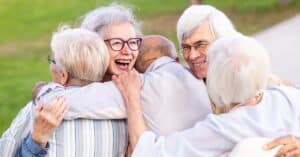
Assisted living communities understand something important: the best medicine for your heart often comes disguised as fun. These thoughtfully designed activities weave together movement, creativity and human connection in ways that naturally support cardiovascular health while creating genuine friendships.
Walking together makes all the difference
Organized walking groups yield remarkable cardiovascular improvements, including better blood pressure, resting heart rate, total cholesterol and physical functioning (Harvard Health Publishing, n.d). What makes these groups special isn’t just the exercise—it’s the commitment people make to each other. Walking groups demonstrate impressively high retention rates because participants don’t want to let their walking buddies down.
Many communities also offer water aerobics and chair-based exercises for residents who need gentler options. These modified activities still deliver the heart benefits you need while respecting your body’s current abilities.
Creative expression heals hearts
The arts offer more than entertainment—they provide genuine healing for your cardiovascular system. Music therapy demonstrably reduces stress levels and can decrease pain in pain-management patients.
Memory games and brain teasers create natural opportunities for laughter and connection. The real magic happens when creative expression reduces those stress hormones that silently damage your heart over time.
Finding comfort in community
Faith-based gatherings offer unique heart health benefits. People who regularly attend religious services show improved physical activity levels, healthier eating habits, lower smoking rates and better blood pressure control.
Choir participation deserves special mention—singing exercises your lungs and diaphragm while creating deep social bonds with fellow singers. These activities nourish your heart through both physical and emotional pathways.
Simple moments, profound impact
Sometimes the most powerful activities are the simplest ones. Coffee conversations and friendly card games create space for relationships to grow naturally. These informal gatherings reduce isolation in ways that formal programs sometimes can’t match.
Games like chess and checkers sharpen your mind while encouraging gentle competition. These casual interactions help build the support networks that keep hearts strong and spirits lifted.
Growing health from the ground up
Here’s something that might surprise you: gardening ranks among the most effective activities for heart health. People who garden show significantly lower rates of cardiovascular disease compared to those who don’t exercise at all.
The combination of fresh air, movement and connection to nature helps reduce the chronic inflammation that damages the heart.
Sunlight exposure also boosts vitamin D production, which your heart needs to function properly. Many communities now offer therapeutic gardening programs designed specifically to nurture both plants and people.
For personalized guidance on supporting your loved one in social connections, call Copper Creek Senior Living at (563) 422-9200 to learn about their assisted living programs.
FAQs
Q1. How does being socially isolated affect a senior’s heart health?
When seniors feel isolated, it can take a real toll on the heart. Loneliness has been linked to a higher risk of heart disease and stroke, partly because it raises blood pressure, inflammation and stress levels over time.
Q2. What kinds of social activities in assisted living are good for heart health?
Many assisted living communities offer heart-friendly ways to stay connected, like walking clubs, group fitness classes, gardening, art or music sessions and even spiritual gatherings. These activities get people moving, engaged and socially connected—all great for the heart.
Q3. How do social connections actually help the heart, physically?
Strong social ties can help lower blood pressure, reduce stress, improve sleep and even boost the immune system. All of that supports better heart health and can help seniors stick to medications and healthy routines.