A Year in Review: Beautiful Moments at Our Memory Care

This year at our memory care in West Union, IA, has shown us what really matters. Every day brought moments that reminded us why this work touches our hearts—watching a resident’s face light up during a favorite song, seeing families reconnect through shared stories, witnessing the pride that comes from completing a simple task.
The key to exceptional memory care lies in recognizing that emotional connections and personalized experiences matter far more than cognitive performance, creating an environment where residents can thrive with respect and purpose.
This blog on memory care in West Union, IA, reviews a year of compassionate service. You will find that celebrating small victories, using music therapy and honoring emotional memory are key strategies that ensure residents thrive with renewed confidence and genuine connection.
What Moments Truly Matter When We Reflect on a Year in Memory Care?
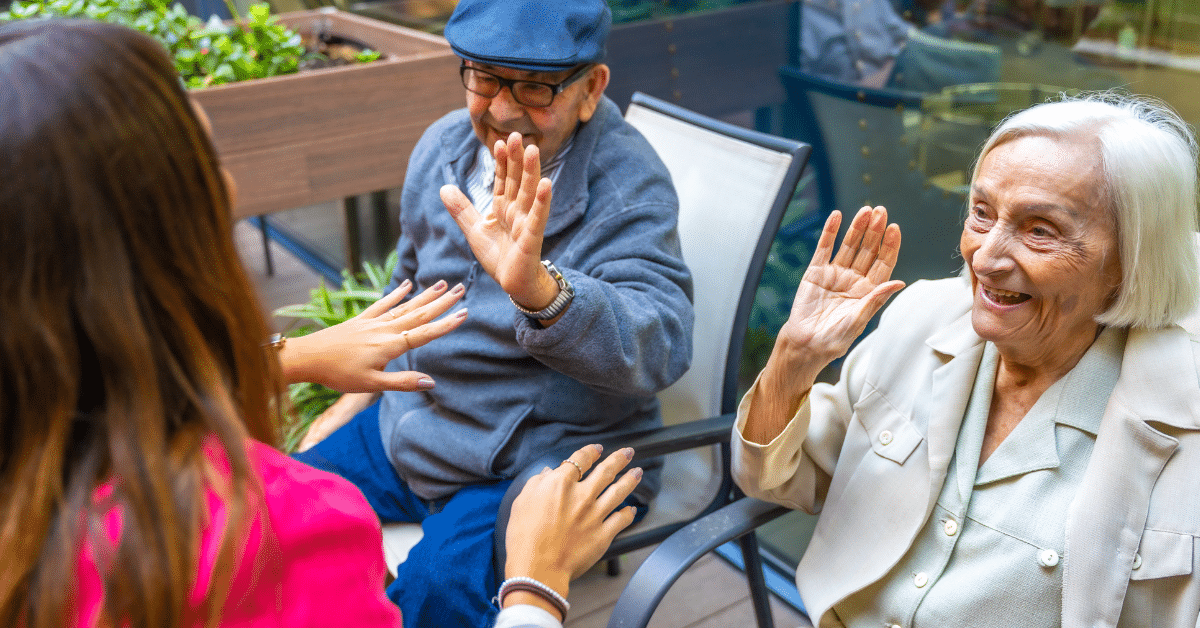
Each day brings special moments that remind us why this work matters so deeply. Here at Copper Creek in West Union, IA, we’ve watched residents light up during activities that connect them to who they’ve always been. These meaningful experiences happen when we create space for the senses to engage, memories to surface and hearts to connect.
Music therapy and sing-alongs
Something beautiful happens when music fills our community spaces. Research shows that musical memory often remains intact even in the later stages of cognitive decline (BMC Geriatrics, 2022). This happens because music can activate the limbic system, subcortical circuits and emotion-related systems, creating a sense of well-being.
Gardening and outdoor time
These multi-sensory experiences have been shown to improve emotional state, physical health, verbal expression and memory. But beyond the research, we see the simple joy on a resident’s face when they water a plant they helped grow from seed. Even small tasks like arranging flowers can stimulate cognitive function and encourage gentle movement, while giving residents that irreplaceable feeling of contributing something meaningful.
Art projects and creative expression
Creativity doesn’t disappear with memory challenges—it simply finds new ways to emerge. When residents pick up a paintbrush or work with clay, they’re communicating in ways that words sometimes can’t capture. Art therapy allows individuals to communicate non-verbally, which is especially important as verbal skills decline.
Group games and memory challenges
Games become gathering places where friendships deepen and laughter echoes through the halls. Card games, puzzles and word games naturally encourage the kind of thinking and social connection that feels both fun and familiar. These activities encourage strategic thinking, memory retention and social interaction while generating new brain neurons that might slow cognitive decline and boost concentration.
What Did We Learn From This Year That Will Shape the Next?
Reflecting on our experiences at Copper Creek this year has given us insights that will guide our approach to memory care in Union County. These lessons didn’t come from textbooks—they emerged from daily moments with our residents and their families.
The power of small victories in memory care
We’ve discovered that celebrating small achievements creates profound impacts on residents’ confidence and self-worth. When someone remembers a song lyric, completes a craft project or recognizes a family member, those moments deserve recognition. These celebrations nurture residents’ confidence and build emotional connections that make daily life meaningful. We’ve also noticed how acknowledging these achievements helps our caregivers maintain optimism and find renewed energy.
Why emotional memory matters more than cognitive recall
This year taught us something crucial: emotional memory often stays strong even when cognitive abilities decline. Emotional memories, especially of significant life events, can last for years despite disease progression. This insight has shifted how we approach care—we focus on creating positive emotional experiences rather than testing what someone remembers.
How community rituals build a sense of belonging
Regular community celebrations create something beautiful—structure and belonging. Whether through holiday gatherings, birthday celebrations or weekly music sessions, consistent traditions help residents feel connected. These rituals give residents predictable moments that enhance their sense of community. Milestone events promote continuity and strengthen the social bonds that matter for wellbeing.
Planning for more inclusive and adaptive celebrations
We’re committed to making celebrations accessible for residents at every cognitive level. This means adapting activities to match individual abilities, keeping familiar routines and creating calm environments rich with sensory experiences. We’ll focus on simplifying activities without losing meaningful participation, remembering that emotional connections often outlast the memory of specific events.
Honoring Your Loved One
Memory care means more than providing supervision—it means creating space where people can still experience joy, connection and purpose. Your family deserves care that honors who your loved one has always been while supporting who they are today. Call us at (563) 422-9200 to learn how we can help your family member experience beautiful moments that matter at Copper Creek Senior Living.
FAQs
Q1. What kinds of activities are most helpful for people in memory care?
Activities like music therapy, gardening, art projects and group games can make a big difference for memory care residents. These experiences help keep the mind active, lift mood and encourage social interaction. They’re not just fun — they’re designed to spark memories, creativity and a sense of belonging.
Q2. Why is it so important to celebrate small achievements in memory care?
Celebrating small wins, like remembering a song lyric or finishing an art project, can do wonders for a resident’s confidence and sense of self-worth. These moments of success bring genuine joy and comfort to daily life, helping residents feel proud and valued for their accomplishments — no matter how small they may seem.
Q3. How does emotional memory shape the way caregivers support residents?
Even as cognitive abilities decline, emotional memory often stays strong. That means residents may forget specific details, but they still remember how an experience made them feel. Caregivers use this insight to focus on creating positive emotional moments — through kindness, music, laughter and comfort — because those feelings last long after the details fade.